
Wireless Charging Explained: Qi, Alignment and Heat

Wireless charging is not a mystery and it is not magic. It is a coil pair, a controller and a negotiation protocol, and almost every complaint about it - slow charging, hot phones, chargers that stop overnight - comes from one of three things.
1. Alignment matters more than wattage
A Qi pad and a phone only transfer power efficiently when the coils overlap. Shift the phone 10mm off centre and efficiency can drop by a third, which shows up as heat rather than as a slower charge. This is why magnetic mounting (MagSafe-style ring arrays) improved wireless charging more than any wattage increase did: it holds the coils in place.
2. Heat is the real limit
Every percent of lost efficiency becomes heat in the gap between the coils. A phone that charges at 15W for ten minutes and then falls back to 7W is not broken - it is thermally throttling. Thick cases, metal plates and charging on a bed all make it worse.
3. The power supply decides the outcome
A 15W pad needs a power adapter that can actually deliver it. Many "15W" chargers ship without an adapter, and a 5V/2A phone charger caps the whole system at 10W. Check the adapter before blaming the pad.
What to look for when buying
- Qi certification, not just "Qi compatible". The certificate number is verifiable.
- Foreign object detection, so the pad shuts off when keys or coins land on it.
- Case tolerance stated in millimetres - most pads handle 3-5mm.
- Adapter included or specified, with the required voltage and current.
How Casun builds them
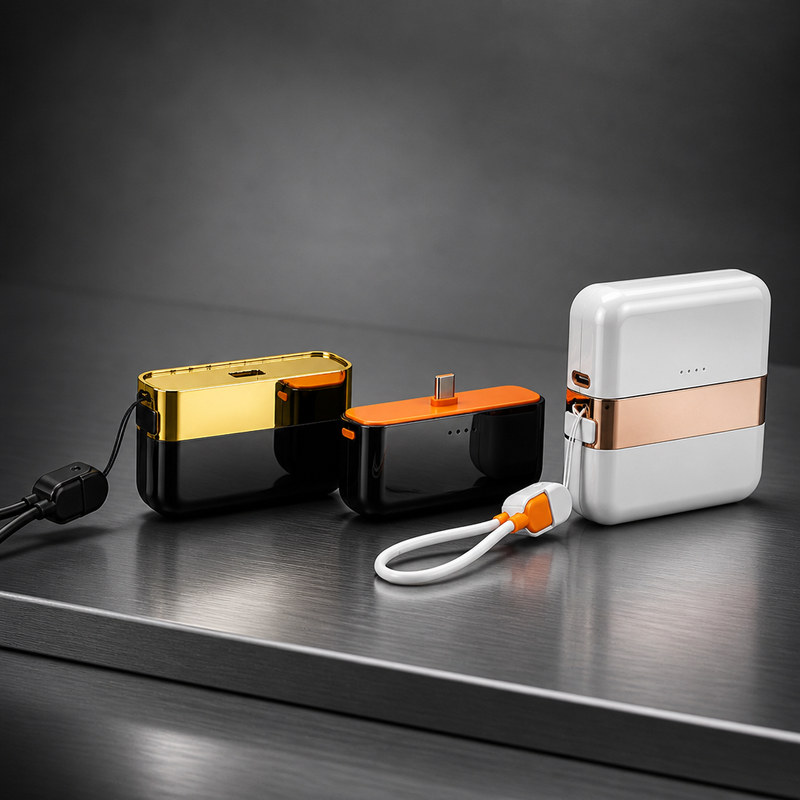
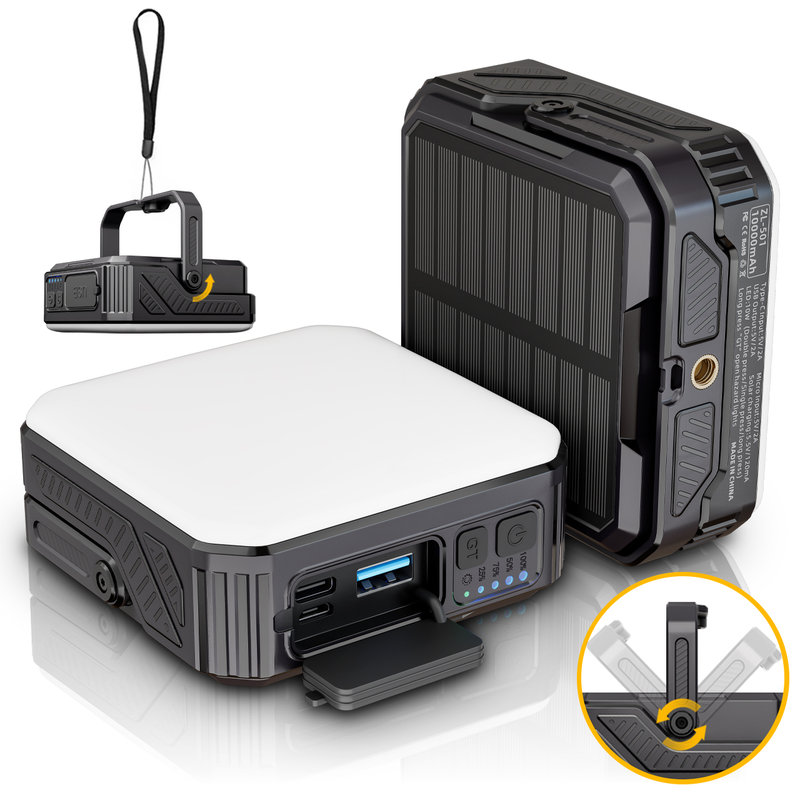
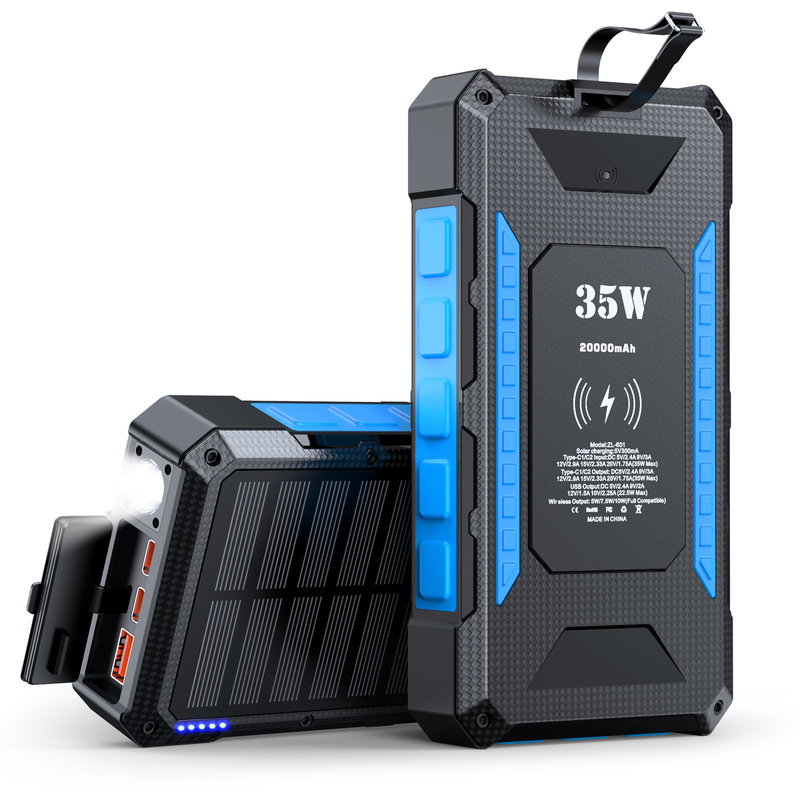
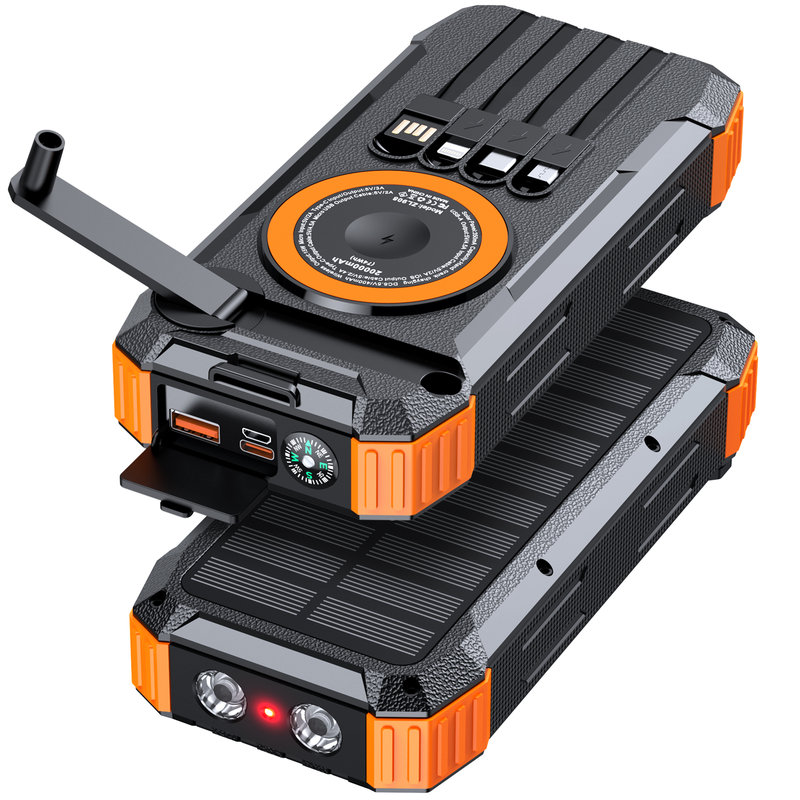
Our wireless charger range uses Qi-certified controller ICs with foreign object detection and over-temperature cut-off. MOQ starts at 100 pcs, samples ship in 5-7 days and bulk production runs 15-25 days. See the wireless charger range or send your specification.